Retro Vintage Tint Old Color 70s 80s Embroidery Design Review
As a seasoned embroidery designer and product reviewer, I've seen my fair share of design sets come and go. The Retro Vintage Tint Old Color 70s 80s collection stands out for its nostalgic charm and thoughtful curation of vintage-inspired elements. At first glance, it feels like stepping into an old photo booth from the past — warm tones, faded textures, and a laid-back vibe that’s both comforting and stylish. This set isn’t just about aesthetics; it brings a tangible sense of history and personality to any project.
First Impressions: A Nostalgic Palette with Purpose
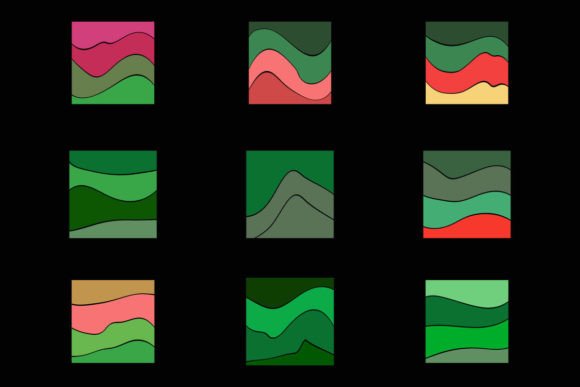
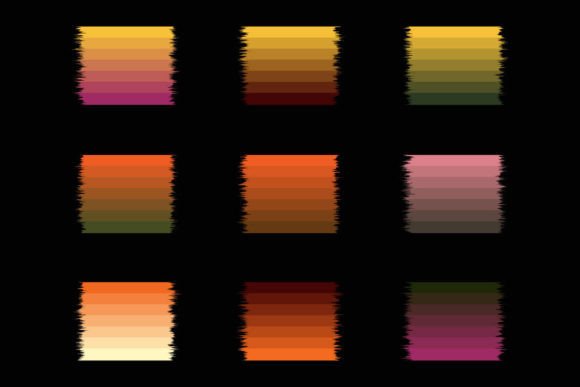
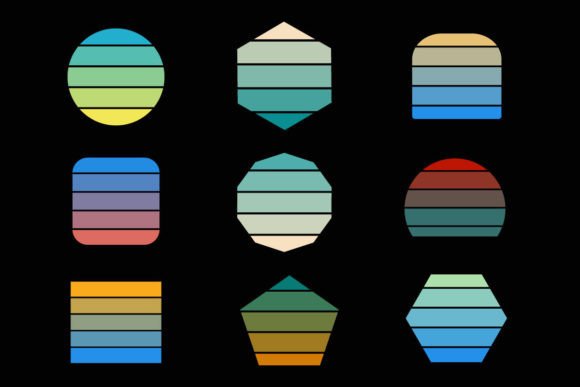
The Retro Vintage Tint Old Color 70s 80s offers a curated mix of shapes and styles that evoke classic eras in design. From striped vectors to sunset backgrounds, there's a clear intention to blend old-school motifs with modern usability. The color palette is soft yet rich, featuring muted oranges, deep purples, and dusty blues that instantly transport your work back in time. These hues aren’t garish or overly saturated — they’re carefully balanced to reflect the gentle decay of yesteryear while still being functional for today’s embroidery projects.
What I appreciate most is how this design set doesn’t feel cluttered or overdesigned. Each element has space to breathe, which makes them versatile for different applications. Whether you're aiming for a subtle accent on a tote bag or a bold statement on a sweatshirt, these designs have a natural rhythm that supports both.
Mood and Visual Personality
This collection naturally fits within themes of relaxation, retro revival, and casual wear. The sunsets and stripes suggest warmth and comfort, perfect for items like aprons, pillow covers, or even baby clothes where a soft aesthetic is desired. The overall mood is easygoing, making it ideal for handmade products that aim to feel personal and authentic rather than mass-produced.
Real-Life Application: What Works Well
I recently considered using the Retro Vintage Tint Old Color 70s 80s for a custom embroidered tote bag destined for an Etsy listing. The sunset background was a great fit for the fabric’s texture, and the striped vector added a touch of sophistication without overwhelming the piece. Here are some areas where this design truly shines:
- Custom Apparel: Sweatshirts and t-shirts benefit from the gentle gradients and faded edges of the designs. They add character without competing with logos or text.
- Baby Embroidery: The softer colors and non-intrusive patterns make it a good choice for nursery decor or baby apparel, especially when paired with playful fonts or animals.
- Tote Bag Design: The larger pieces like the retro sunset background work beautifully as centerpieces. They stitch cleanly and maintain their visual impact after multiple washes.
- Apron & Pillow Covers: These are excellent candidates for the more detailed pieces in the set. The stitched result feels tactile and adds a handcrafted touch.
- Holiday Gifts: For seasonal items like tea towels or decorative pillows, the warm tones of the collection bring a cozy, festive appeal.
As an Etsy seller, I found that the designs helped elevate the perceived value of my finished product. Customers responded positively to the vintage aesthetic, especially when used in personalized gifts or small shop merchandise. It also helps with brand consistency if your craft business leans toward retro or minimalist styles.
Where Caution Is Needed
While the Retro Vintage Tint Old Color 70s 80s is a strong addition to many embroidery projects, it does have limitations depending on the material and application. Below are some scenarios where careful consideration is necessary:
- Small Hoop Sizes: The more intricate elements may lose detail when scaled down too much. Always test stitch before finalizing.
- Textured or Thin Fabrics: On fabrics like flannel or lightweight cotton, the delicate lines and shaded areas can become muddied. Consider adjusting stitch density or thread weight.
- Stretchy Materials: Stretchables such as knits can distort the layout of the design unless properly stabilized and hooped.
- Dense Stitch Areas: Some parts of the design include complex fills or layered effects. These might require extra stabilizer to prevent puckering or distortion.
- Dark Fabric Backgrounds: While the design works well on light-colored bases, darker fabrics may require a contrasting thread palette to ensure visibility.
- Curved Surfaces: When applying to caps or hats, be mindful of how the design wraps around curves. Adjusting the placement and scaling is crucial here.
If you're working on a high-volume commercial embroidery project, be sure to review each file for compatibility with your machine and confirm the recommended hoop size and format. Since these details aren't provided in the product description, always check the files yourself or consult the designer’s documentation.
Stitch Clarity and Thread Choices
One thing I noticed early on is that the stitch clarity depends heavily on thread color selection. The soft hues in the design can sometimes fade into the background if not matched correctly. For instance, using a slightly brighter thread for outlines or accents can help maintain definition, especially on white or cream-toned fabrics.
Also, the use of satin stitch and fill stitch varies across the set. In some cases, the fill stitches create a nice gradient effect, but on others, they may appear too loose if not adjusted. As a rule, I recommend increasing the stitch density by 5-10% during testing to ensure durability and visual crispness.
Design Impact on Customer Perception
Using the Retro Vintage Tint Old Color 70s 80s design set can significantly influence how customers perceive your handmade product. The vintage aesthetic often appeals to those who value authenticity and nostalgia. If you're an embroidery designer looking to build a loyal customer base, this kind of visual storytelling can help differentiate your offerings in a crowded market.
From a branding perspective, the consistent style of the set supports a unified look across multiple products. That means whether you're creating a boutique line of embroidered patches or digital product previews, the designs can maintain a cohesive identity. The emotional resonance of the 70s and 80s eras can also enhance giftability, particularly for holiday or wedding gifts with a personal touch.
Practical Designer Notes
Before committing to a full production run or selling a finished product based on these designs, I always follow a few key steps:
- Test the design on scrap fabric to assess how it looks and behaves under stitching conditions.
- Check thread color contrast against your intended fabric to avoid visual loss.
- Review stitch density settings to ensure they match the fabric type and thickness.
- Confirm the appropriate hoop size for each design — especially important for smaller elements or dense areas.
- Inspect small details for potential distortion or misplacement during resizing.
- Use black-and-white mockups to evaluate how the design will show up on different color bases.
- Compare how the design looks on light versus dark fabric to understand its versatility.
- Always use proper stabilizer to support the fabric and keep the design intact through washing and wear.
- Verify whether the design is suitable for both personal and commercial embroidery use — licensing terms should be confirmed before sale.
These steps help me stay ahead of potential issues and ensure the final product meets both quality and aesthetic expectations. The Retro Vintage Tint Old Color 70s 80s is no exception — it requires attention to detail but rewards that effort with a polished, timeless look.
Final Thoughts: Timeless Meets Practical
The Retro Vintage Tint Old Color 70s 80s design set is a valuable tool for anyone involved in crafts and graphics — especially creative entrepreneurs and small shop owners who want to infuse their products with personality and charm. Its vintage aesthetic isn’t just for show; it connects with buyers on an emotional level, enhancing engagement and buyer trust.
That said, it’s not a one-size-fits-all solution. Depending on your materials and end use, you’ll need to adjust parameters like stitch density, thread colors, and stabilizer types. But once those adjustments are made, the results are rewarding — the design adds a layer of professionalism and recognition that’s hard to achieve with generic templates.
For those considering adding this to their portfolio of machine embroidery designs, I encourage you to experiment. Try it on a few sample items like a sweatshirt or a pillow cover. See how it holds up, how it interacts with other design elements, and how it contributes to the overall story your product tells. With a bit of care and creativity, the Retro Vintage Tint Old Color 70s 80s can become a signature part of your digital embroidery file library and a favorite among your customers.