Brush SVG Sublimation: A Versatile Graphic Design Freebie for Creative Projects
As a graphic designer with years of experience working on brand identities, product designs, and marketing visuals for small businesses and creative entrepreneurs, I often find myself sifting through design assets to determine their real-world usability. Recently, I reviewed the Brush SVG Sublimation asset—a free graphic offering that includes multiple file formats like SVG, EPS, DXF, PSD, and PNG. Here's how it stacks up when tested in practical client projects.
Elegant Chaos Meets Modern Simplicity
At first glance, Brush SVG Sublimation feels like a soft brushstroke across a digital canvas. It’s an abstract, yet structured design that blends fluid motion with geometric precision. The visual mood is organic but not messy—there’s a balance between spontaneity and control that makes it feel intentional. This kind of style works well for brands leaning into modern minimalism or those seeking subtle texture without overwhelming the viewer.
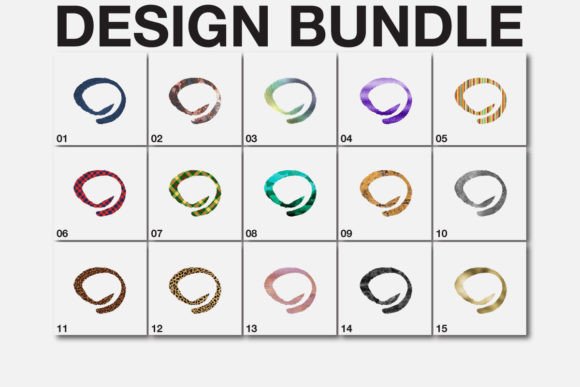
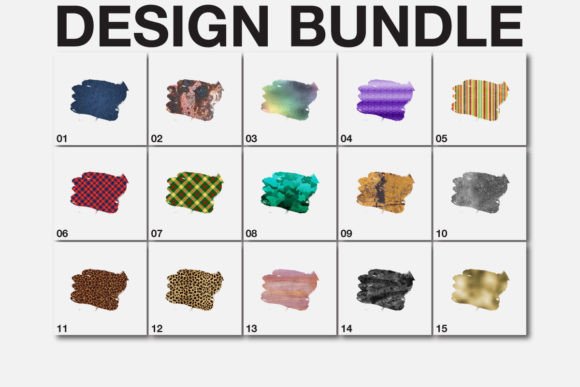
The color palette included in this package offers 15 variations, which is generous for a free asset. Each version maintains the same essence while providing enough tonal shift to suit different branding needs. The high-resolution PNGs (300 DPI, transparent background) are particularly useful for layered compositions or when vector files aren’t compatible with your workflow.
Real-World Applications and Project Fit
This asset has a natural place in several design contexts. For example, when crafting packaging design for a handmade business, adding a layer of Brush SVG Sublimation can elevate the aesthetic from flat to tactile, even if just digitally. Similarly, in social media graphics or blog visuals, it serves as a decorative accent that enhances the emotional appeal of the content without detracting from the message.
I’ve used similar sublimation designs in product mockups for print-on-demand clients. Whether applied to t-shirt design, mug illustration, or tote bag graphics, the texture adds depth and interest. It’s also effective in Canva templates or Cricut projects where a quick, polished look is needed without overcomplicating the design.
When It Works Best
- Large layout areas: The asset shines when given space to breathe. Use it in hero graphics, poster backgrounds, or large editorial spreads to add movement and warmth.
- Themed collections: Ideal for seasonal campaigns or boutique product lines that rely on cohesive, atmospheric visuals.
- Printable designs: Especially suited for wall art, stickers, or any sublimation project where resolution and scalability matter.
- Supporting brand elements: Great as a texture overlay in brand identity work, subtly reinforcing the visual language of the brand.
Where Caution Is Needed
- Small sizes: In its current form, the pattern loses clarity when scaled down. Test it at thumbnail size before using it in buttons or icons.
- Crowded layouts: Avoid placing it in busy compositions where it might compete with other elements. Let it complement rather than dominate.
- Professional corporate materials: While it could be toned down for some uses, it may not align with the clean, structured aesthetics typical of corporate branding.
Designing with Purpose: How It Impacts Visual Communication
Visual hierarchy is crucial in professional design, and while Brush SVG Sublimation isn’t a structural element, it can influence how information is perceived. When used correctly, it adds a sense of creativity and personality—perfect for indie brands, crafters, or Etsy shops aiming to stand out in a crowded marketplace.
In terms of readability, this asset doesn’t interfere with text-heavy layouts if placed behind or beneath key messaging. However, it does require careful placement in logo design or brand identity components where simplicity and clarity are paramount. If you’re designing for a client who values strong visual trust and recognition, ensure the asset supports—not distracts from—the core branding elements.
Emotionally, Brush SVG Sublimation evokes a sense of artistry and craftsmanship. It’s ideal for products and services associated with nature, wellness, art, or anything that benefits from a hand-crafted feel. That said, it may not resonate with audiences expecting a sleek, tech-forward impression.
Practical Designer Notes for Commercial Use
Before integrating Brush SVG Sublimation into a paid project, there are several things to consider:
- Test in black and white: Does it still convey the intended mood without color? This is especially important for print materials or grayscale outputs.
- Check contrast: Apply the design to both light and dark backgrounds to ensure legibility and visual harmony.
- Preview at scale: Open the SVG in a design tool like Adobe Illustrator and test it at both large and small dimensions to assess clarity and adaptability.
- Use on real mockups: Place the design on actual product mockups (like t-shirts, mugs, or tote bags) to see how it translates physically.
- Review print quality: Ensure the PNGs maintain transparency and sharpness when printed, particularly for merchandise or signage.
- Inspect file formats: The inclusion of multiple file types (EPS, DXF, etc.) means it’s adaptable across platforms and tools. Double-check that all files open cleanly in your software.
- Compare with type styles: Try pairing it with serif fonts for classic elegance, sans-serif for modern clarity, or script/handwritten fonts for added cohesion in a handmade theme.
- Confirm commercial licensing: Always verify the usage rights of any free design asset before applying it to a client project or selling it in a creative marketplace.
Brush SVG Sublimation in Action
Let me walk through a recent project where this asset came in handy. I was designing a seasonal campaign for a local artisanal soap brand launching a new line of lavender-themed products. The goal was to create packaging and social media visuals that felt natural, calming, and authentic.
I used the Brush SVG Sublimation as a subtle background texture on the product label, giving it a soft, painterly finish. On Instagram posts, I layered it behind the product photography to enhance the visual story. For a Pinterest pin template, the design helped create a cohesive look across the collection by repeating it as a border or frame.
In each case, the asset contributed to a more polished final result. It didn’t overpower the product but instead reinforced the brand’s aesthetic. The ability to change colors meant I could match it perfectly to the client’s brand palette, ensuring consistency across all touchpoints.
Key Takeaways for Creative Professionals
- It enhances mood: Brush SVG Sublimation brings a warm, artistic texture to otherwise flat digital designs.
- High-quality files: With 300 DPI PNGs and scalable vector formats, it’s suitable for most print and web applications.
- Great for thematic work: Particularly useful in editorial design, themed posters, and event invitations where atmosphere matters.
- Not a standalone solution: Think of it as a supporting element rather than the main feature in your composition.
- Freebies can be valuable: As long as they pass the quality and flexibility tests, free graphics can save time and money in a project.
Final Thoughts: A Thoughtful Addition to Your Toolkit
Brush SVG Sublimation isn’t going to replace your go-to fonts or core brand assets, but it can certainly enhance them. Its blend of soft edges and structured flow makes it a versatile graphic design asset for those working in creative fields like packaging design, sticker design, or social media graphics.
For marketers and bloggers, it can help differentiate content in a competitive feed. For digital sellers and print-on-demand creators, it offers a way to quickly build unique product visuals. And for small business owners looking to polish their brand identity, it provides a subtle yet impactful detail that can make all the difference in a customer’s first impression.
If you're considering using this asset in a client project, do your due diligence. But don’t overlook its potential. In the right context, Brush SVG Sublimation can be a powerful part of your design strategy—one that adds character, emotion, and professionalism to your creative output.